A Gross Pollutant Trap (GPT) is the first line of defence in a stormwater treatment system and removes much of the bulky pollutants from stormwater runoff. Categorized as primary treatment devices, GPTs (Gross Pollutant Traps) are commonly used to fend off litter, cigarette butts, plastic bottles, leaves, and sediment.
Pollution captured by GPT systems is prevented from conveyance through catchment areas, capturing it before it reaches our rivers and ocean environments. Gross pollutants, including plastic pollution, are removed from our drains and subsequent parts of our water network.
GPTs can be installed independently, or as stormwater pre-treatment that work in conjunction with secondary and tertiary devices. They are often used to compliment stormwater devices downstream, which work together to secure better water quality outcomes.
GPTs play a key role in primary treatment. This ensures secondary and tertiary treatment devices such as biofilters, raingardens and proprietary filters, can ‘polish’ or clean stormwater without being blocked by larger pieces of rubbish and debris.
Types of Gross Pollutant Traps
There are several different GPTs in the market today – all removing gross pollutants from our stormwater system in different ways. Most GPTs fall into one of the below categories:
Systems which use gravity to separate pollutants that float and settle without the use of screens. Water quality is achieved by incorporating baffles/booms in a series of chambers.
An insert filter basket that can be fitted to drains, tanks and stormwater assets, the StormSack helps to capture gross pollutants at the source – before they enter the stormwater network.
With its vortex action and self-cleaning screen, the Vortceptor is a generational asset with a 100-year design life and a 25-year warranty. Designed to handle high flow rates, this device provides exceptional pollution removal for a wide range of pollutants.
The Ecoceptor is a vertically configured GPT with diverse pollution removal capabilities, including the capture of light liquids, hydrocarbons, and sediment. Suited for low-risk applications it guarantees hydrocarbon spill capture in all flow conditions.
An insert filter basket that can be fitted to drains, tanks and stormwater assets, the StormSack helps to capture gross pollutants at the source – before they enter the stormwater network.
With its vortex action and self-cleaning screen, the Vortceptor is a generational asset with a 100-year design life and a 25-year warranty. Designed to handle high flow rates, this device provides exceptional pollution removal for a wide range of pollutants.
The Ecoceptor is a vertically configured GPT with diverse pollution removal capabilities, including the capture of light liquids, hydrocarbons, and sediment. Suited for low-risk applications it guarantees hydrocarbon spill capture in all flow conditions.
A Gross Pollutant Trap (GPT) is a stormwater treatment device designed to capture litter, sediment, leaves, plastics, cigarette butts, and other debris before these pollutants are conveyed to downstream waterways and drainage infrastructure.
GPTs are typically the first stage of stormwater treatment, known as primary treatment. This treatment infrastructure is essential to improving water quality in urban catchments – ensuring Joy in Water for future generations by preventing pollutants from negatively impacting our shared lakes, rivers and seas.
Managing stormwater effectively through the capture of urban pollution results in cleaner urban environments, healthier waterways, improved environmental resilience, and improved water quality. GPTs are a practical solution that supports Water Sensitive Urban Design (WSUD) in our urban catchments.
How does a Gross Pollutant Trap work?
There are different types of Gross Pollutant Traps, which use a variety of processes to separate incoming pollution from stormwater – including screening, sedimentation, gravity separation, and hydrodynamic action. These are often used in combination to improve device performance.
The type of system recommended for each site depends on many factors, such as site requirements, budget, design footprint, engineering specifications, regulatory compliance, flow rates, and pollutant loads.
Atlan Stormwater designs, installs, manufactures, and maintains a wide range of primary stormwater treatment devices. These include at-source GPTs such as AtlanTrap (formerly StormSack), and end-of-line devices such as the Atlan BaffleBox and Vortceptor.
GPTs are designed to remove gross pollutants such as litter, organic debris, sediment, floating rubbish, plastics, and coarse particles. These can be installed independently or as part of a treatment train – where they are the first devices to treat incoming stormwater.
Litter and plastics: Plastic bottles, bags, food packaging, wrappers, disposable items, and other urban litter.
Sediment and coarse particles: Sand, gravel, soil, and coarse sediment.
Floatables: Materials that float or accumulate on the water surface, including plastics, foam, and organic matter.
Urban pollution: Cigarette butts, takeaway containers, and other human-generated debris commonly found in urban runoff.
Atlan’s SQIDEP-verified GPT range includes the Atlan BaffleBox, AtlanTrap, and Vortceptor. These verifications demonstrate third-party assessed pollution removal capabilities across a wide range of pollutants, which include Total Nitrogen (TN), Total Phosphorus (TP), Total Suspended Solids (TSS), Gross Pollutants (GP), and microplastics.
Why are Gross Pollutant Traps important for Australian stormwater management?
Gross Pollutant Traps (GPTs) help prevent pollution from entering downstream environments – such as rivers, wetlands, estuaries, and coastal areas. They are widely used across Australia to support Water Sensitive Urban Design (WSUD) outcomes and help meet development approval, council regulation, and environmental compliance requirements.
GPTs remove larger pollutants and coarse sediment from runoff, reducing the pollutant load entering downstream systems. This supports healthier waterways and helps councils meet stormwater quality objectives and environmental targets.
The effective management of stormwater pollution reduces the accumulation of litter, debris, and sediment in our waterways and drainage infrastructure. GPTs provide a central location for pollutant collection, enhancing operational efficiency and reducing the need for costly clean-ups or remediation works.
Where are Gross Pollutant Traps commonly installed?
GPTs are commonly installed in residential developments, commercial precincts, industrial sites, roads, car parks, schools, shopping centres, and public infrastructure projects where stormwater runoff needs treatment before discharge.
Atlan Stormwater’s GPT range is generally installed underground, and their full trafficability makes them ideal for deployment beneath parks, car parks, roads, hardstand, and driveways.
A key benefit of Gross Pollutant Traps is their ability to reduce negative impacts to nearby waterways, and they are commonly positioned upstream of:
Rivers and creeks
Lakes and wetlands
Estuaries
Coastal waterways
Bays and marine environments
How often should a Gross Pollutant Trap be cleaned?
To ensure that Gross Pollutant Traps are operating at full capacity and treatment efficiency, it is essential to ensure that pollution is periodically removed, and screens and mechanical components are thoroughly cleaned.
Maintenance frequency depends on catchment size, rainfall patterns, and pollutant loads. Most GPTs require regular inspections and scheduled cleaning to ensure optimal performance and prevent blockages or pollutant bypass during storm events.
Maintenance typically involves:
Removing captured gross pollutants and sediment
Inspecting screens, baskets, and mechanical components (where applicable)
Checking for damage or blockages
Recording waste volumes and maintenance activities
What is the difference between a GPT and a stormwater filter?
A GPT provides primary stormwater treatment, which is the first phase of stormwater treatment. These devices are designed to remove gross pollutants, debris, and sediment, before water flows to subsequent treatment processes, drainage infrastructure, or receiving waterways.
Gross Pollutant Traps are often deployed in stormwater treatment trains to pretreat stormwater prior to filtration. Removing higher pollutant loads and sediment prevents their accumulation in downstream filter bays and detention chambers.
This allows the filters to work effectively to ‘polish’ outgoing flows, which improves water quality by targeting finer particles, nutrients, and dissolved heavy metals.
Can a Gross Pollutant Trap be retrofitted into an existing drainage system?
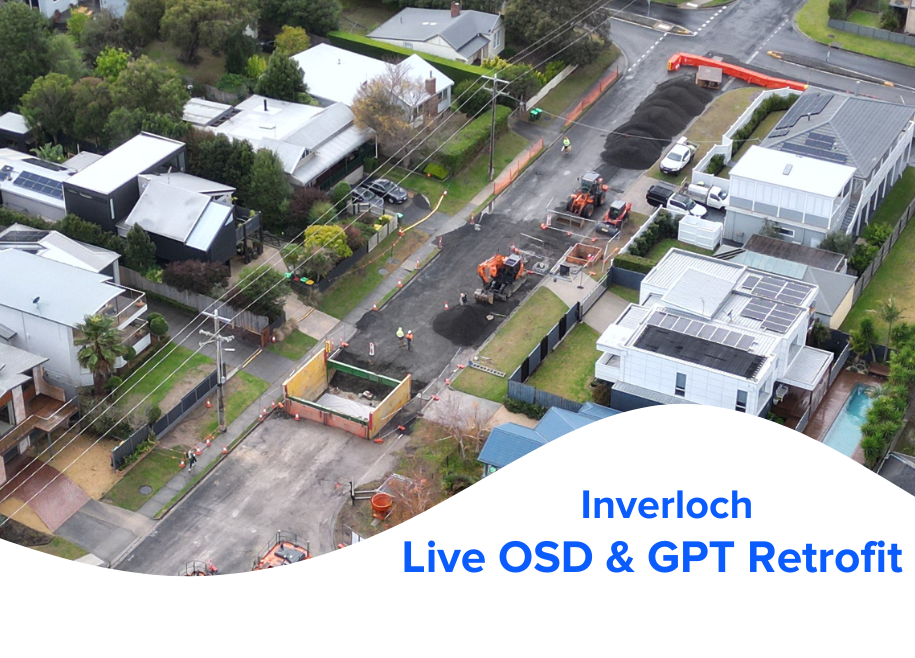
Yes. Many modern GPT systems are specifically designed for retrofit applications and can be integrated into existing stormwater infrastructure with minimal disruption, making them suitable for urban upgrades and redevelopment projects.
Atlan Stormwater’s GPT range is modular and fully trafficable, enhancing project outcomes in retrofit applications – allowing the deployment of this infrastructure below existing roadways and urban developments.
Do Gross Pollutant Traps help meet council stormwater requirements?
Yes. Properly selected and maintained GPTs can help developers, engineers, and councils achieve stormwater quality objectives and support compliance with local government and environmental authority requirements across Australia.
What type of Gross Pollutant Trap is best for my project?
The ideal GPT selection for your project depends on factors such as catchment size, available footprint, pollutant loading, maintenance requirements, hydraulic performance, and project objectives.
Consulting with a stormwater specialist can help identify the most suitable solution for your site. Our design team offers complimentary assistance to help you find the right GPT for your project:
MUSIC modelling (Model for Urban Stormwater Improvement Conceptualisation)
Engineering calculation and guidance
Preliminary product recommendations
Cost estimates & option analysis
Customised site-specific drawings to suit your project