Gross Pollutant Traps provide primary stormwater treatment, acting as a first line of defence to remove pollution from incoming stormwater flows. Capturing bulky pollutants, they reduce the conveyance of stormwater pollution, including litter, cigarette butts, plastic bottles, foliage and sediment.
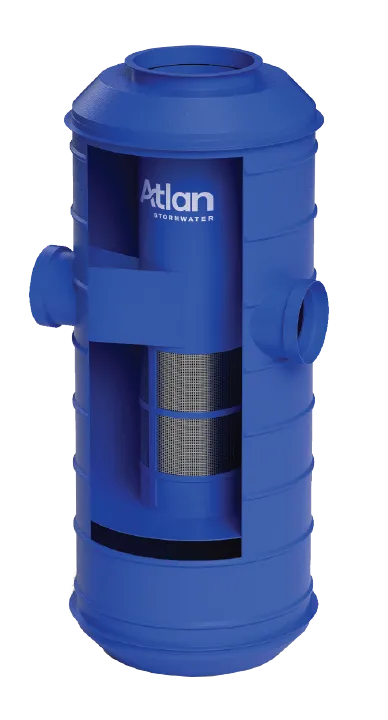
Locally manufactured by Atlan Stormwater, Vortceptor is our flagship SQIDEP-verified GPT, featuring a 100-year design life and single-piece fibreglass design. The SQIDEP verified pollution removal rates for the Vortceptor are 93% Total Suspended Solids (TSS), 86% Total Phosphorus (TP), 49% Total Nitrogen (TN), and 100% Gross Pollutants.
GPTs, such as Vortceptor and the Atlan BaffleBox, provide engineered solutions for high-volume flow conditions. These systems manage incoming pollutant loads prior to environments such as wetlands and waterways. Offering both operational and ecological advantages, their use in these applications helps projects to meet environmental requirements and best practice Water Sensitive Urban Design (WSUD) objectives.
Managing Stormwater Pollution in Wetlands Catchments
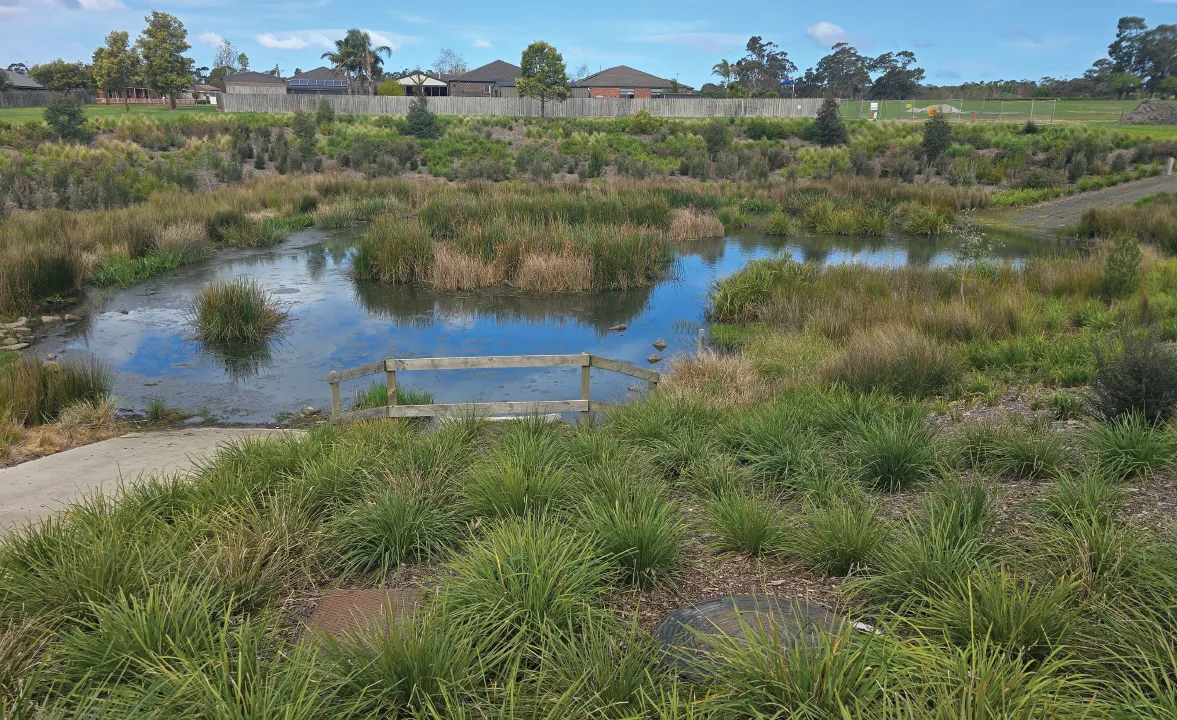
Stormwater management is critical to protecting natural and constructed wetland environments. Excessive pollutant loads containing sediment, plastics, and urban contaminants negatively impact these sensitive ecosystems, compromising the health of vegetation, local wildlife, and reducing their ability to treat stormwater.
Plants in wetlands are vulnerable to smothering by sediments, contamination by hydrocarbons, and inundation with plastics. These issues also threaten local wildlife habitat, leading to loss of biodiversity and impacting both aquatic and terrestrial species.
The accumulation of sediment in wetlands reduces water depth and hydraulic capacity, leading to the eventual loss of treatment function. Unchecked pollutant loads can ultimately destroy wetland environments. By intercepting coarse and fine sediments early, GPT pretreatment extends the lifespan of wetlands. It also greatly reduces operational expenditure and maintenance.
A key benefit of these systems is the containment of pollutants in one location, which greatly simplifies routine maintenance across the treatment train. By confining pollution in easy-to-maintain devices, it stops the spread of these urban contaminants across wetland environments, which are typically difficult and costly to access with equipment, machinery and vacuum trucks.
These benefits not only improve the financial viability of maintaining stormwater infrastructure, but they also minimise disruption to wetland ecosystems.
Many regulatory guidelines now require robust treatment train solutions, where multiple systems are integrated in sequence to achieve target pollutant reductions. Ensuring downstream wetlands can continue to operate to engineering specifications, GPTs such as Vortceptor ensure compliant water quality outcomes.
By integrating Gross Pollutant Traps to enhance wetland performance, we can develop a stormwater network that protects our riparian environments, preserving our vital wetlands and protecting Joy in Water for future generations.