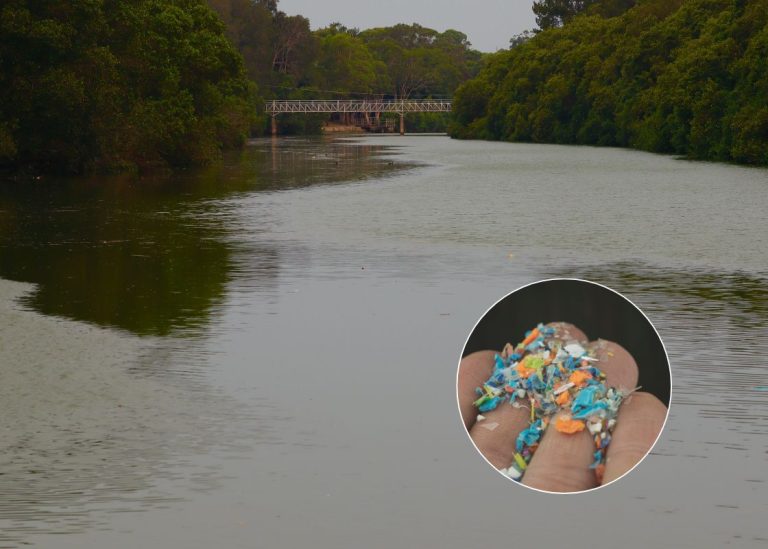
Microplastic assessments by the NSW Environment Protection Authority (EPA) have named Cooks River, Dee Why Lagoon, Muddy Creek and upper Parramatta River as New South Wales’ most contaminated coastal waterways.
Conducted over a three-year period, the Broadscale Microplastic Assessment (BMA) is Australia’s first large-scale study of microplastic contamination. The report ranks 120 coastal waterways in NSW for microplastic concentrations in the top 15 centimetres of surface water.
The top 10 most contaminated sites were ranked accordingly, with the highest contamination found in urban waterways in the Hawkesbury–Sydney region.
- Cooks River
- Dee Why Lagoon
- Muddy Creek
- Toongabbie Creek (Upper Parramatta River)
- Throsby Creek
- Coffs Creek
- South West Rocks Creek
- Manly Lagoon
- Parramatta River
- Middle Harbour Creek
Conversely, the sites with the lowest concentrations of microplastic contaminants were Myall Lake, Nadgee Lake, Middle Lagoon, Myall Broadwater and Wallaga Lake. These sites on the NSW north and south coast represent catchments with minimal disturbance and incoming urban pollutants.
Microplastics: An Emerging Pollutant
Emerging pollutants, such as microplastics, often fall outside the scope of traditional monitoring, treatment, and water quality regulations. These pollutants are present in low concentrations that persist and accumulate in the environment, presenting hazards to the health of our ecosystems.
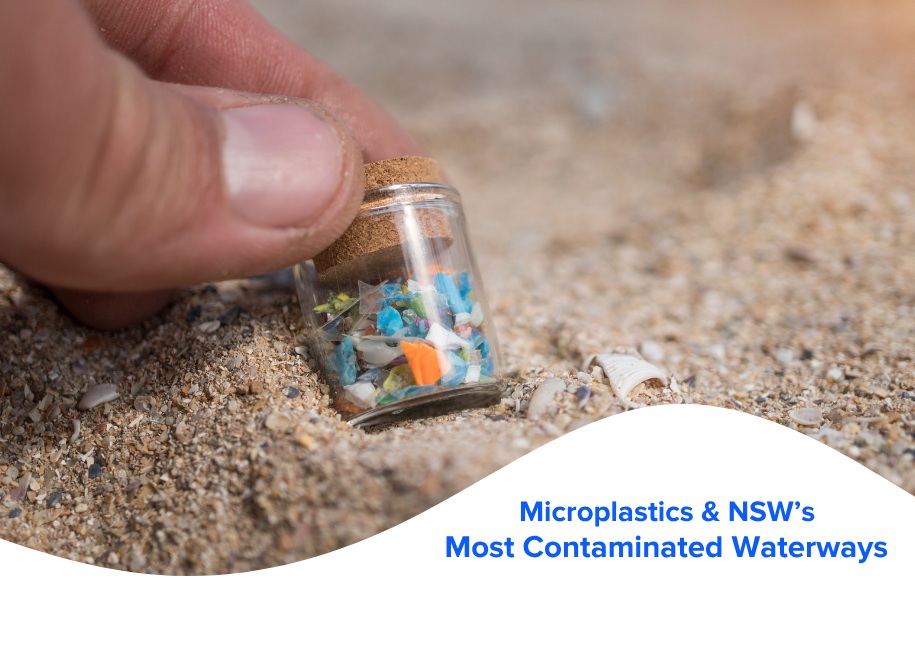
A type of emerging pollutant, microplastics are small plastic particles under 5mm in diameter, which are produced through multiple pathways. These include the breakdown of manufactured goods, plastic packaging, synthetic turf, artificial grass, industrial plastic pellets, Styrofoam, and car tyres.
Over time, plastic waste in our aquatic environments accumulates and degrades into microplastics. Depending on the composition of plastic, this process takes anywhere from five to five hundred years. Fragmented plastic particles have been found across the planet in all types of environments, from polar regions to the deep ocean.
The detection of microplastics in different species is widespread. They have been found in terrestrial and aquatic plants, animals, and even humans, passing along food chains in a process called bioaccumulation. These contaminants are present in our drinking water, food, and agricultural products as they persist in the water cycle.
Threatening the health of our environment, monitoring microplastic contaminants is becoming a necessity for the development of targeted management and infrastructure.
Developing Stormwater Treatment Systems for Microplastics
As the removal of emerging pollutants becomes a priority in our communities, Atlan Stormwater is manufacturing, designing, installing and maintaining solutions to meet these environmental challenges. Our research and development of these systems reflect our belief that clean waterways are a right, not a privilege.
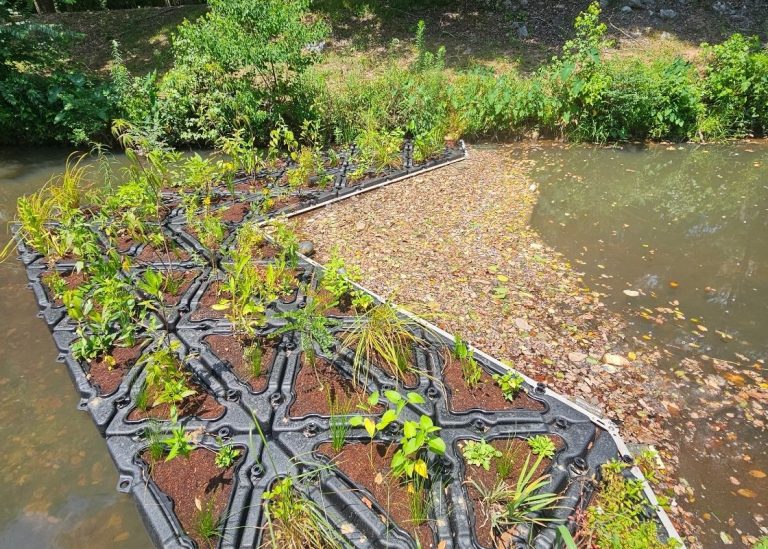
Products across the Atlan range have been developed and tested for their capability to remove microplastics from incoming stormwater flows. Atlan Stormwater’s microplastic treatment solutions include Floating Treatment Wetlands, StormSack, and Atlan BaffleBox.
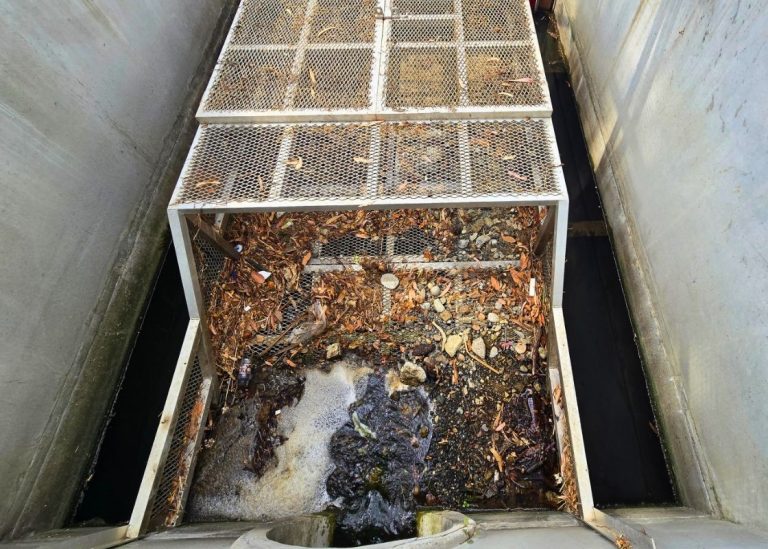
The treatment capabilities of the Atlan BaffleBox has been verified through Stormwater Australia’s SQIDEP (Stormwater Quality Improvement Device Evaluation Protocol). Verified treatment efficiencies include 73% Total Suspended Solids (TSS), 59% Total Phosphorus (TP), 39% Total Nitrogen (TN), 99% Gross Pollutants, and 66% microplastics.
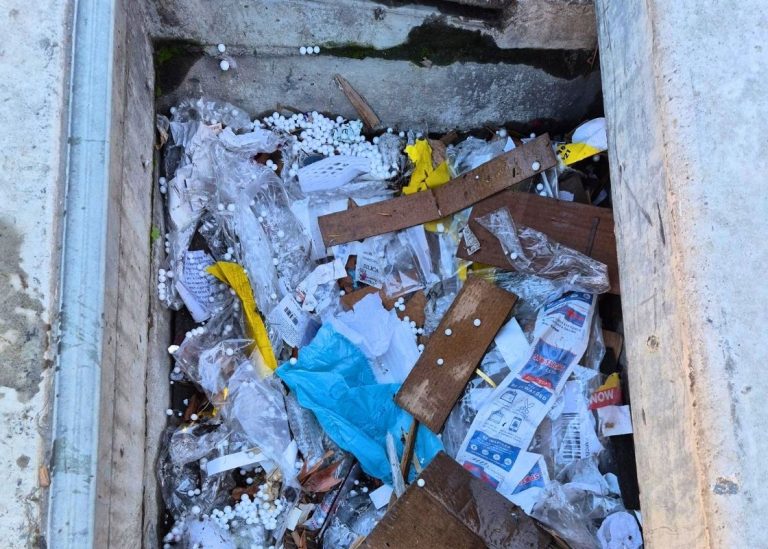
StormSack’s filtration capabilities have also been confirmed through studies, which show the removal of 35% to 88% of microplastic concentration, which varies according to catchment characteristics such as traffic patterns and road surfaces. Reductions in microplastics were also shown in stormwater treated in nearby Floating Treatment Wetlands.
As water quality requirements in our communities evolve, the development of stormwater infrastructure is critical to ensure the capture of pollution in our urban catchments. Bridging the gap between economics and environment, our range of generational assets is enhancing water quality outcomes and protecting our waterways.
AtlanTrap (formerly known as StormSack) is our latest development in at-source GPT technology. AtlanTrap maintains the existing treatment performance capabilities of the Atlan StormSack, while providing redesigned device profile, ease of installation, and incorporation of the Atlan TrapCatch bracket sytem.